Copper Peptides for Research
Copper peptides are an important area of interest in modern peptide research. Scientists investigate these compounds across skin biology, cellular signaling, extracellular matrix processes, tissue research, and other laboratory applications. One of the best-known examples is GHK-Cu, a copper-binding peptide that has received considerable scientific attention.
At Onyx Research Peptide, we provide research-use-only peptides and laboratory supplies for qualified research applications. Our catalog is designed to give researchers convenient access to peptide compounds while providing clear product information for laboratory investigation.
What Are Copper Peptides?
Copper peptides are compounds that combine a peptide structure with copper ions. This interaction can give the resulting complex distinct chemical and biological characteristics that researchers can investigate in controlled laboratory environments.
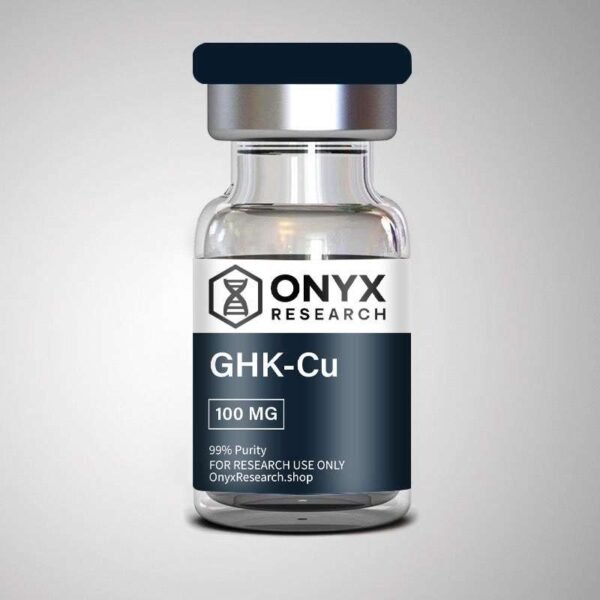
One of the most recognized examples is GHK-Cu peptide. GHK-Cu is composed of glycine, histidine, and lysine and can form a complex with copper. Researchers have investigated this compound in connection with cellular signaling, skin biology, extracellular matrix activity, and tissue-related processes.
The scientific properties of each compound can vary. Researchers should therefore evaluate the specific peptide, experimental model, formulation, concentration, and available evidence before drawing conclusions about its research potential.
GHK-Cu Peptide Research
GHK-Cu is one of the most widely recognized compounds in this category. Scientific interest in this peptide extends across skin biology, tissue research, cellular processes, and extracellular matrix studies.
Researchers have investigated GHK-Cu in different laboratory and biological models to better understand its interactions with cells and biological pathways. Its relationship with copper also makes it useful for studying how peptide structures interact with metal ions.
Research findings can differ according to methodology and experimental conditions. For that reason, researchers should review scientific literature alongside product documentation when evaluating GHK-Cu for laboratory work.
Copper Peptides and Skin Research
Skin biology represents one of the most prominent areas of interest surrounding copper-binding compounds. Researchers have explored GHK-Cu and related substances in studies involving cellular activity, tissue structure, extracellular matrix processes, and skin-related pathways.
Some research has examined mechanisms associated with collagen and other components involved in tissue structure. These investigations can contribute to a broader understanding of peptide signaling and biological processes.
However, laboratory findings should not automatically be interpreted as proof of a cosmetic or medical outcome. Research results depend on the model, methodology, formulation, and conditions used in each study.
Copper Peptides and Collagen Research
Collagen-related research is another area where these compounds attract attention.
Collagen is a structural protein found throughout connective tissue. Scientists study extracellular matrix processes to understand how cells communicate and how biological systems maintain and remodel tissue structures.
GHK-Cu has been investigated in research involving these pathways. Such studies can help researchers examine the relationship between peptide signaling, copper interactions, and biological processes associated with tissue structure.
The available evidence should always be considered in context. A result observed in a laboratory model does not necessarily establish the same effect in humans.
Copper Peptide Research Applications
The potential research applications of these compounds depend on the specific peptide and scientific objective.
Researchers may investigate them in areas such as:
- Skin biology
- Cellular signaling
- Extracellular matrix research
- Collagen-related pathways
- Tissue biology
- Peptide structure and function
- Copper-binding mechanisms
- Cellular response studies
- Laboratory peptide research
- Molecular biology
Each application requires an appropriate experimental design. Researchers should select a compound based on the scientific question, available evidence, and laboratory requirements.
Why Is GHK-Cu Important in Peptide Research?
GHK-Cu provides researchers with an interesting model for investigating interactions between peptides and copper ions.
Its biological properties have encouraged studies involving cellular signaling, tissue biology, skin-related pathways, and extracellular matrix activity. Researchers can use these studies to explore how peptide compounds interact with biological systems.
The history of GHK-Cu research also highlights the importance of evaluating individual compounds. Not every peptide associated with copper has identical characteristics, mechanisms, or research applications.
Copper Peptide vs. GHK-Cu
The terms copper peptide and GHK-Cu are closely connected, but they are not interchangeable in every context.
Copper peptide is a broader term that can describe peptide compounds associated with copper ions. GHK-Cu is one specific and widely researched example.
This distinction matters when selecting research materials. Researchers should verify the exact compound name, molecular characteristics, product specifications, and intended application before beginning laboratory work.
Understanding the difference can also help prevent confusion when comparing products from different research suppliers.
Copper Peptides for Skin Biology Research
Skin biology continues to be an important research area for GHK-Cu and related compounds.
Researchers may examine how these substances interact with cellular processes, extracellular matrix components, and pathways involved in tissue biology. These investigations can contribute to a better understanding of biological mechanisms related to skin structure.
The phrase copper peptides for skin can describe a broad research topic rather than a single established application. Researchers should therefore examine the evidence behind each compound instead of assuming that all products produce identical results.
How to Choose a Copper Peptide for Research
Selecting a research peptide requires careful evaluation. Product popularity alone should not determine which compound a laboratory chooses.
Confirm the Exact Compound
First, verify the exact peptide. GHK-Cu is a specific copper-binding compound, while other products may contain different peptide sequences or formulations.
Review Product Specifications
Check available information about identity, purity, formulation, storage, testing, and other relevant characteristics.
Define Your Research Objective
The research question should guide product selection. A compound appropriate for skin biology research may not be suitable for another experimental model.
Review Scientific Literature
Scientific publications can provide useful information about structure, biological activity, research history, mechanisms, and limitations.
Consider Laboratory Requirements
Make sure the selected product fits your validated laboratory procedures and applicable research requirements.
Copper Peptides at Onyx Research Peptide
At Onyx Research Peptide, we provide research-use-only peptide compounds and laboratory supplies for qualified scientific investigation.
Our peptide catalog is designed for researchers exploring different areas of peptide science. Product availability may change, so researchers should review individual product pages for current specifications and product information.
Our approach focuses on providing clearly presented research products rather than making unsupported medical or therapeutic claims. Researchers can evaluate individual compounds based on their scientific objectives and available evidence.
Research-Grade Copper Peptide Products
Researchers may encounter peptide products in different physical forms and formulations. The form of a compound can affect storage, handling, preparation, and laboratory procedures.
Before selecting a product, researchers should review the available specifications and applicable documentation. Product identity and quality information are particularly important when comparing compounds from different suppliers.
A suitable research product should align with the experimental objective and the laboratory’s validated procedures.
Copper Peptide Powder and Laboratory Research
Copper peptide powder is another term researchers may encounter when searching for laboratory peptide products.
The physical form of a peptide can influence how researchers handle and store it. Specific procedures should always follow the product documentation and established laboratory protocols.
Before purchasing a powdered research compound, verify its identity, purity information, storage requirements, testing documentation, and intended use.
Researchers should also distinguish laboratory research products from cosmetic formulations or dietary supplements because these product categories can have different specifications and intended purposes.
Quality Considerations for Peptide Research
Quality matters when selecting materials for laboratory investigation.
Researchers should examine factors such as:
- Compound identity
- Purity information
- Analytical testing
- Product documentation
- Storage requirements
- Handling information
- Intended research use
- Supplier transparency
These factors can help researchers make informed decisions when comparing research products.
Instead of choosing a peptide based solely on promotional language, evaluate the information available for the specific compound and determine whether it fits the intended research application.
Why Researchers Choose Onyx Research Peptide
Onyx Research Peptide focuses on research-use-only peptides and laboratory supplies.
Research-Focused Catalog
Our catalog is designed around compounds intended for laboratory investigation. Researchers can explore products according to their specific scientific interests.
Clear Product Information
Individual product pages provide information that can help researchers evaluate available compounds and determine whether a product aligns with their research objectives.
Convenient Online Access
Our online catalog makes it easier for researchers to explore peptide products and laboratory supplies without relying exclusively on local sources.
Laboratory Supplies
In addition to research peptides, Onyx Research Peptide provides laboratory supplies designed to complement research workflows where appropriate.
Frequently Asked Questions About Copper Peptides
What are copper peptides?
Copper peptides are peptide compounds that interact with copper ions. Researchers investigate them across areas such as cellular signaling, skin biology, tissue research, and extracellular matrix processes.
What is GHK-Cu peptide?
GHK-Cu is a copper-binding peptide consisting of glycine, histidine, and lysine. Researchers have investigated it in areas involving cellular signaling, skin biology, tissue processes, and extracellular matrix research.
Are GHK-Cu and copper peptides the same?
Not exactly. Copper peptides describe a broader category of peptide compounds associated with copper ions. GHK-Cu is one specific and widely researched example.
What are copper peptides used for in research?
Researchers investigate these compounds in areas such as skin biology, cellular signaling, extracellular matrix activity, collagen-related pathways, tissue biology, and peptide science.
Are copper peptides studied for skin research?
Yes. Researchers have investigated GHK-Cu and related compounds in skin biology and tissue research. However, results vary depending on the study design, model, formulation, and experimental conditions.
What is copper peptide research?
Copper peptide research examines the structure, properties, biological activity, mechanisms, and potential laboratory applications of peptide compounds that interact with copper ions.
What is the difference between GHK-Cu and other peptides?
GHK-Cu is a specific copper-binding peptide. Other peptides may have different structures, targets, mechanisms, and research applications. Researchers should evaluate each compound individually.
What is the relationship between copper peptides and collagen research?
Scientists investigate peptide and extracellular matrix pathways to better understand biological processes involving tissue structure. GHK-Cu has been examined in research related to these pathways.
How should researchers choose a copper peptide?
Researchers should consider the exact compound, purity information, product testing, storage requirements, research objective, and applicable laboratory procedures before selecting a product.
Where can researchers buy copper peptides?
Researchers can source laboratory peptide compounds from specialized research suppliers. Before purchasing, verify product identity, specifications, quality information, intended research use, and applicable laboratory requirements.
Are research copper peptides intended for human use?
Research-use-only products are intended for laboratory investigation rather than human or veterinary use. Researchers should follow the product’s stated intended use and applicable laboratory requirements.
Explore Copper Peptides for Research
Copper-binding compounds remain an important subject within peptide science. From GHK-Cu research to investigations involving skin biology, cellular signaling, extracellular matrix processes, and tissue research, these substances provide researchers with opportunities to explore diverse biological pathways.
At Onyx Research Peptide, our goal is to provide research-use-only peptides and laboratory supplies for qualified scientific investigation.
Explore our copper peptides category to review available products, examine product information, and identify compounds that align with your laboratory research objectives.
Research Use Only: Products offered by Onyx Research Peptide are intended strictly for laboratory research and are not intended for human or veterinary use, diagnosis, treatment, cure, or prevention of disease. Always follow applicable laboratory procedures, regulations, and product documentation.
Bacteriostatic Water
In stock
BPC-157
In stock
GHK-Cu
In stock
GLP-3 RT
In stock
Ipamorelin 10mg
In stock