GHK-Cu Copper Peptides: Benefits, Uses, Dosage, Skin Research, and Safety Guide
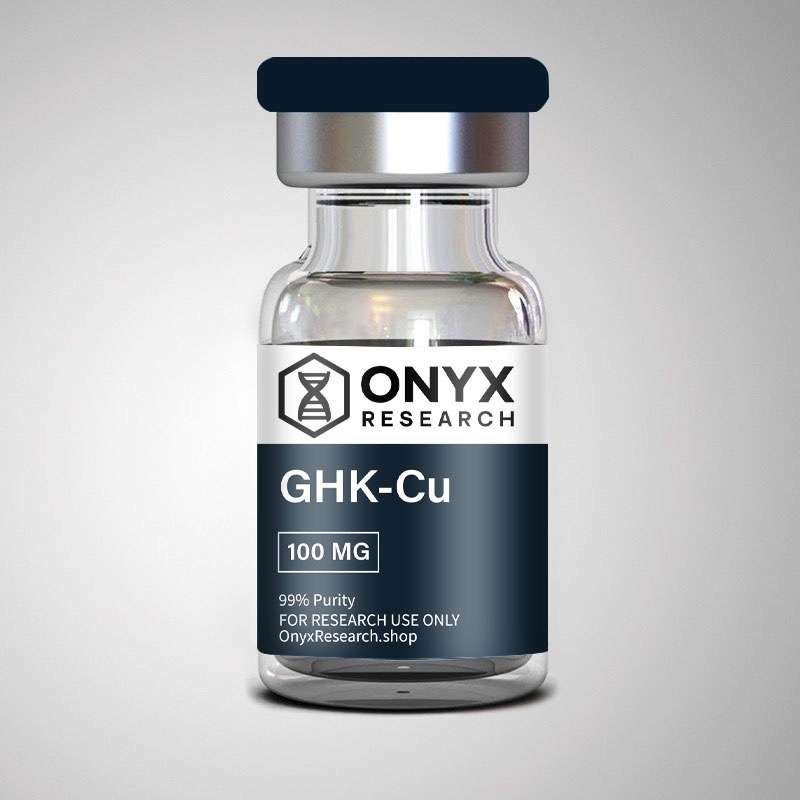
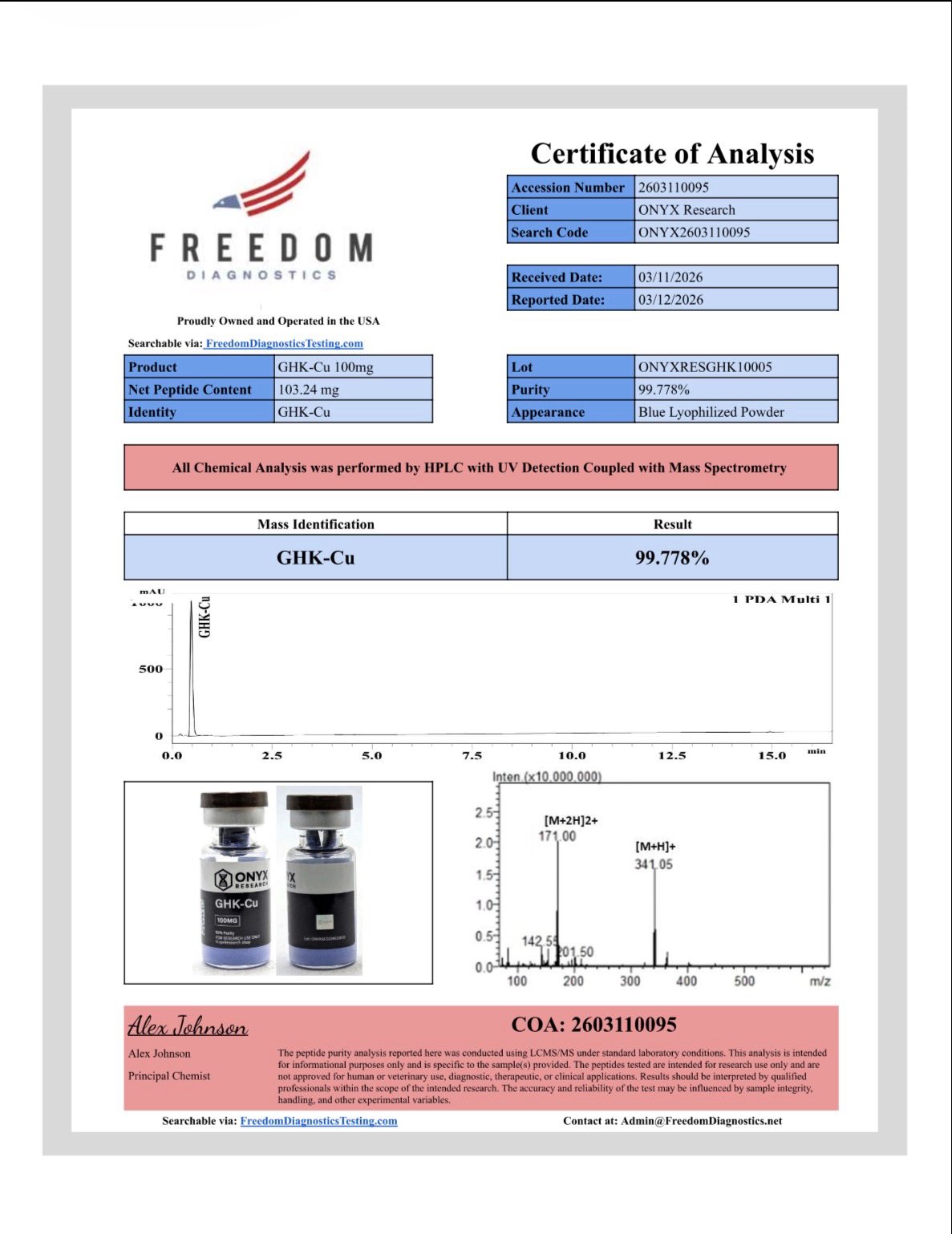
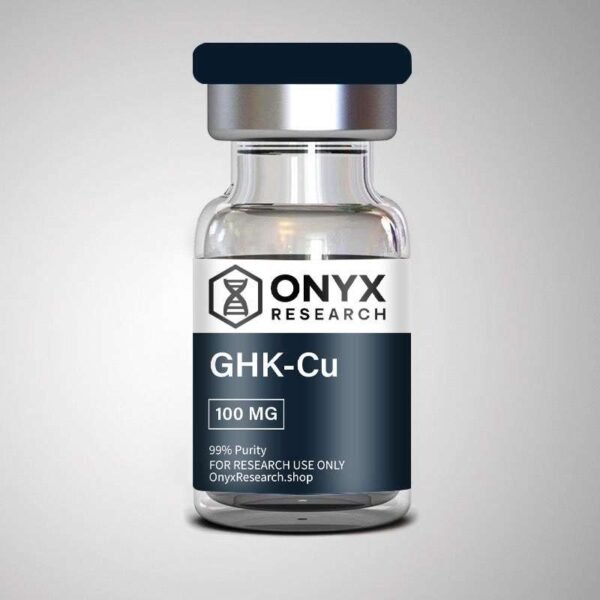
GHK-Cu Copper Peptides is a naturally occurring copper-binding peptide made of three amino acids: glycine, histidine, and lysine. It is found in human plasma and plays a role in biological processes related to tissue repair, extracellular matrix formation, and cellular signaling.
Research on GHK-Cu suggests that it may influence processes involved in:
GHK-Cu is widely used in cosmetic skincare products, especially serums and creams designed for improving skin appearance. Injectable forms are also discussed in peptide communities, although clinical evidence and regulatory approval vary depending on the application.
Introduction: Why Are GHK-Cu Copper Peptides Becoming Popular?
Copper peptides have become one of the most researched peptide ingredients in the skincare and regenerative science fields. Among them, GHK-Cu has gained significant attention because it is not a synthetic compound created only for cosmetic use it is a peptide naturally produced in the human body.
As people search for advanced approaches to maintaining youthful-looking skin, supporting hair health, and understanding regenerative compounds, keywords such as “GHK-Cu peptide benefits,” “GHK-Cu serum,” “GHK-Cu dosage,” and “GHK-Cu peptide injections” have become increasingly popular.
Unlike traditional skincare ingredients that mainly work on the surface of the skin, peptides act as signaling molecules. They communicate with cells and can influence biological pathways associated with repair and remodeling.
GHK-Cu is particularly interesting because it combines peptide signaling with copper delivery. Copper is an essential mineral involved in several enzymatic reactions, including those related to connective tissue formation and antioxidant defense.
However, understanding what GHK-Cu can realistically do requires separating scientific research from marketing claims.
What Is GHK-Cu Copper Peptide?
GHK-Cu stands for glycyl-L-histidyl-L-lysine copper complex.
It consists of:
-
Glycine a small amino acid involved in protein structures
-
Histidine an amino acid that helps bind copper ions
-
Lysine an amino acid involved in collagen-related processes
The peptide naturally binds with copper ions (Cu²⁺), creating the active GHK-Cu complex.
Scientists originally identified GHK in human plasma, where levels were found to decline with age. This observation led researchers to investigate whether GHK-Cu plays a role in age-related changes in tissue repair and regeneration.
Today, GHK-Cu is studied in areas including:
How Does GHK-Cu Work in the Body?
Understanding GHK-Cu requires looking at its role as a signaling molecule.
Peptides are short chains of amino acids that can interact with cells. Instead of directly replacing damaged tissue, they may influence cellular communication.
GHK-Cu appears to work through several mechanisms.
1. Supporting Extracellular Matrix Remodeling
The extracellular matrix (ECM) is the structural network surrounding cells. It provides support and helps maintain tissue structure.
Important ECM components include:
-
Collagen
-
Elastin
-
Proteoglycans
Research suggests GHK-Cu may influence genes involved in extracellular matrix production and remodeling.
This is one reason it has attracted interest in cosmetic applications focused on:
-
Skin firmness
-
Texture improvement
-
Visible signs of aging
2. Influencing Collagen Production
Collagen is the primary structural protein responsible for skin strength and elasticity.
As people age, collagen production naturally decreases, contributing to:
-
Fine lines
-
Reduced firmness
-
Changes in skin texture
Laboratory and cosmetic research indicates that copper peptides may support pathways involved in collagen synthesis.
However, results depend on factors such as:
-
Concentration
-
Delivery method
-
Skin penetration
-
Individual biology
3. Copper Delivery and Cellular Activity
Copper is required for several enzymes involved in human biology.
One important copper-dependent enzyme is lysyl oxidase, which participates in collagen and elastin cross-linking.
Because GHK binds copper, researchers have explored whether it can help deliver copper ions in a biologically useful form.
4. Modulating Inflammatory Pathways
Chronic inflammation can affect normal tissue repair.
Studies suggest GHK-Cu may influence inflammatory signaling molecules, potentially creating an environment that supports balanced repair processes.
This has contributed to interest in its possible role in:
GHK-Cu Copper Peptide Benefits: What Does Research Suggest?
The potential benefits of GHK-Cu are mainly based on laboratory studies, animal research, and cosmetic investigations. Human outcomes can vary.
1. Skin Appearance and Anti-Aging Support
GHK-Cu is best known in skincare because of its association with:
Many skincare products use GHK-Cu because peptides can act as messengers between skin cells.
2. Supporting Skin Repair
GHK-Cu has been researched for its role in wound-healing pathways.
Research suggests it may influence:
This research is one reason copper peptides appear frequently in regenerative skincare discussions.
3. Hair and Scalp Research
GHK-Cu has also gained attention in hair-related discussions.
Research has explored whether copper peptides may influence:
However, stronger clinical evidence is still needed before considering GHK-Cu a proven hair-loss treatment.
4. Antioxidant and Protective Effects
Oxidative stress contributes to cellular aging.
GHK-Cu research suggests possible antioxidant-related activity, which may help explain why it is studied in aging and skin biology.





Reviews
Clear filtersThere are no reviews yet.