
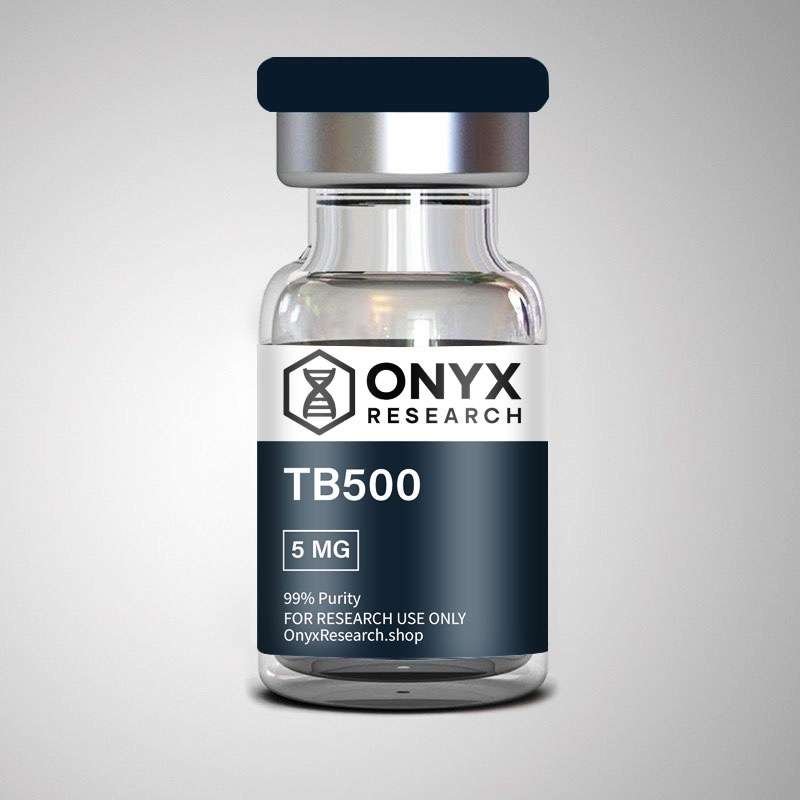
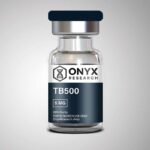
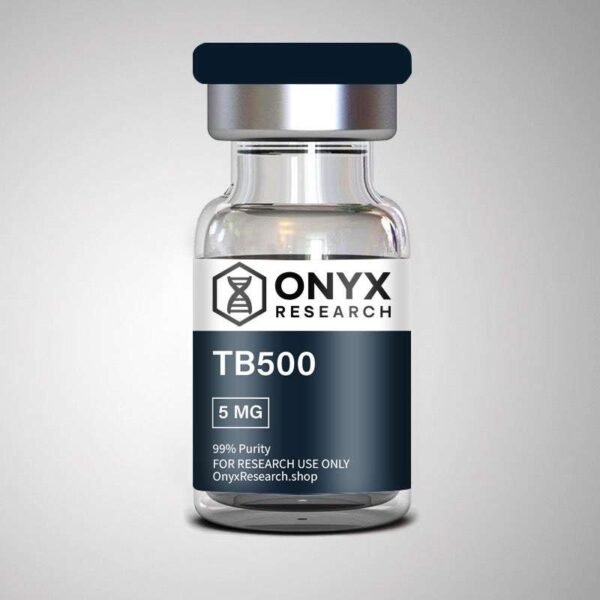
TB500
$70.00 – $139.00Price range: $70.00 through $139.00

Fast Shipping
Carrier information

20k products
Payment methods

24/7 Support
Unlimited help desk

2-day Delivery
Track or off orders
| QTY | 10mg, 20mg |
|---|
Description
TB500 Dosage: Research, Safety, Uses, and What to Know
TB500 dosage is one of the most searched topics surrounding this investigational peptide. Yet finding a number online does not mean that a validated human dose exists. TB-500 refers to a fragment associated with thymosin beta-4 research, and the available evidence does not establish a standardized human dosing regimen. FDA materials specifically note a lack of identified human exposure data for drug products containing TB-500 and concerns about peptide-related impurities and immunogenicity.
This guide explains what TB-500 is, why researchers investigate it, what scientists know about its biological activity, why online dosing protocols can be misleading, and how researchers can evaluate TB-500 research products. It also covers TB-500 benefits, side effects, reconstitution questions, TB-500 vs BPC-157, the Wolverine Stack, and the current evidence surrounding thymosin beta-4.
What Is TB-500?
TB-500 is commonly described as a synthetic peptide based on a biologically active region of thymosin beta-4.
Research literature identifies TB-500 with the peptide sequence LKKTETQ, corresponding to residues 17–23 of thymosin beta-4. Analytical research has identified an N-terminally acetylated form of this fragment in TB-500 preparations.
That distinction matters because TB-500 and full-length thymosin beta-4 are not automatically interchangeable.
Thymosin beta-4 is a naturally occurring peptide with a broader biological structure. TB-500 represents a smaller fragment associated with part of its biological activity. Researchers therefore need to identify the exact molecule, formulation, and experimental material when interpreting scientific studies.
TB-500 at a Glance
| Characteristic | TB-500 |
|---|---|
| Common description | Thymosin beta-4 fragment |
| Associated sequence | LKKTETQ |
| Research areas | Cell migration, tissue biology, wound-related research |
| Research status | Investigational |
| Established human dosage | Not established |
| FDA-approved medical use | No |
| Human exposure evidence | FDA reports no identified human exposure data for drug products containing TB-500 |
| Key research interest | Cellular movement and tissue-related pathways |
FDA’s 2026 briefing materials specifically discuss TB-500 free-base and acetate forms and state that the available literature does not provide sufficient evidence to establish effectiveness for wound healing.
TB500 Dosage: What Does the Research Actually Show?
The most important point about TB500 dosage is simple:
There is no established, FDA-approved human dosage for TB-500.
Online sources sometimes present specific numbers as “standard TB-500 doses,” “loading doses,” or “maintenance doses.” Those numbers can create the impression that researchers have established a medically validated protocol.
The current evidence does not support that conclusion.
FDA’s 2026 briefing document states that the agency did not identify literature in which TB-500 was administered to patients to treat a disease or condition, including wound healing. The document also notes that available data remain too limited to evaluate effectiveness for the nominated use.
Therefore, a responsible TB-500 dosage guide should explain what researchers know and do not know rather than turn online anecdotal protocols into medical recommendations.
Why Online TB-500 Dosing Numbers Can Mislead
Several factors can make an online dosage claim unreliable:
- The product may not contain the claimed compound.
- Different products may use different formulations.
- Some sources may confuse TB-500 with thymosin beta-4.
- Animal research does not establish a human dose.
- A laboratory protocol does not automatically translate into human treatment.
- Product purity and peptide identity can vary.
- No approved human dosing label establishes a standard regimen.
Researchers should therefore examine the underlying evidence instead of treating a dosage number as established fact.
Is There a Standard TB-500 Dose?
No validated standard human dose currently exists.
The absence of a standard dose does not mean scientists cannot study TB-500. Researchers can investigate a compound through controlled laboratory models, analytical testing, and appropriately designed experimental protocols.
However, those research protocols should remain distinct from medical dosing.
TB500 dosage can satisfy search intent without publishing a potentially misleading injection schedule. The strongest content explains why dosage claims differ and directs readers toward evidence quality, compound identity, and safety.
TB-500 Dosage Protocols vs Research Protocols
Searches for TB-500 dosage protocol often combine two very different concepts.
A research protocol describes the experimental conditions that scientists use in a study. Depending on the research model, a protocol may specify concentration, exposure conditions, sample preparation, timing, analytical methods, or other experimental variables.
A human treatment regimen describes how a medication should be administered to a patient.
Those concepts are not interchangeable.
TB-500 does not have an FDA-approved human treatment regimen that researchers can use as a universal reference point. FDA’s current information instead highlights limited human exposure data and unresolved safety questions.
For that reason, this page does not present an online “loading dose” or “maintenance dose” as a validated human protocol.
How Does TB-500 Work?
Research surrounding TB-500 connects the peptide with a biologically active region of thymosin beta-4.
The relevant region interacts with actin, an important protein in the cellular cytoskeleton. Actin helps cells maintain their structure and supports cellular movement.
Cell migration plays a role in numerous biological processes, including tissue remodeling and wound-related responses.
Research on thymosin beta-4 has therefore attracted attention because the peptide can influence cellular movement and tissue-related processes. A PubMed-indexed study describes the LKKTETQ region as the active site associated with actin binding, cell migration, and wound-healing processes.
TB-500 and Actin
Actin forms part of the internal framework of cells.
When actin changes its organization, cells can alter their shape and movement. Researchers study this process because cellular movement can influence tissue organization, vascular biology, and wound responses.
TB-500’s association with the actin-binding region of thymosin beta-4 provides one biological reason for continued research interest.
However, identifying a biological pathway does not prove that administering a peptide will produce a specific therapeutic result in humans.
TB-500 and Cell Migration
Cell migration represents another major research area.
During tissue remodeling, cells can move toward specific locations and interact with neighboring cells and extracellular structures. Researchers investigate whether thymosin beta-4-related pathways influence these movements.
Scientific research has associated thymosin beta-4 with cellular migration and other tissue-related biological processes.
These findings help explain why researchers continue to study TB-500-related compounds.
What Is TB-500 Used For in Research?
Researchers primarily investigate TB-500 in areas connected to cellular movement, tissue biology, vascular processes, and wound-related mechanisms.
The FDA’s July 2026 advisory materials specifically identify wound healing as the use evaluated for nominated TB-500-related bulk drug substances. However, the FDA briefing document states that evidence remains insufficient to evaluate effectiveness for this use.
Wound-Healing Research
Wound healing involves several biological stages.
Researchers examine:
- Cellular migration
- Tissue remodeling
- Vascular responses
- Extracellular matrix changes
- Cell signaling
- Inflammatory processes
- Tissue organization
Thymosin beta-4 research has connected the peptide with several of these biological processes.
However, laboratory evidence does not automatically establish TB-500 as an effective wound treatment in humans.
Tissue Biology
Tissue biology provides another research area for TB-500.
Researchers can investigate how cells move, interact, and reorganize tissue structures under experimental conditions.
This research may help scientists understand the role of thymosin beta-4-related pathways in tissue responses.
Again, the research question remains different from a clinically proven application.
Cellular Migration Research
Cell migration provides a particularly interesting area of study because of the relationship between the thymosin beta-4 fragment and actin.
Researchers can investigate how changes in actin-related pathways affect cellular movement.
This work can contribute to broader research into tissue remodeling, vascular biology, and cellular behavior.
TB-500 Benefits: What Does Research Suggest?
People often search for TB-500 benefits, but scientific evidence requires careful wording.
Research associated with thymosin beta-4 and its active region has generated interest in:
- Cell migration
- Actin-related cellular processes
- Tissue remodeling
- Vascular biology
- Wound-related mechanisms
- Cellular movement
- Angiogenesis-related research
A PubMed-indexed study describes the LKKTETQ sequence as the active region of thymosin beta-4 associated with actin binding, cell migration, and wound-healing biology.
However, these findings do not establish proven human benefits from TB-500.
Established Biological Findings
Researchers have identified important biological relationships involving thymosin beta-4 and actin.
Preclinical Research
Scientists have explored thymosin beta-4-related pathways in experimental models involving cellular movement and tissue biology.
Human Evidence
The human evidence for TB-500 remains inadequate. FDA’s current briefing document specifically reports no identified literature showing TB-500 administered to patients for treatment of disease or wound healing.
This distinction should remain central to any responsible TB-500 content.
TB-500 and Recovery Research
The term TB-500 for recovery appears frequently in online searches.
The interest largely comes from research involving cellular migration, tissue biology, and thymosin beta-4.
Researchers can investigate whether changes in cellular movement and tissue-related signaling influence recovery processes in experimental models.
However, “recovery” can mean many things. Muscle recovery, tendon recovery, wound healing, and general tissue remodeling involve different biological processes.
Researchers therefore need controlled experimental models before they can draw meaningful conclusions.
At present, the available evidence does not establish TB-500 as a clinically proven recovery treatment.
TB-500 for Muscle Research
Muscle research represents another area where online claims often exceed the evidence.
Muscle tissue responds to injury through complex interactions between muscle cells, connective tissue, blood vessels, inflammatory signals, and extracellular structures.
Researchers may investigate thymosin beta-4-related pathways because cellular migration and tissue remodeling form part of these biological processes.
However, research interest does not demonstrate that TB-500 improves muscle recovery, strength, or athletic performance in humans.
This distinction matters especially for athletes because TB-500 has also appeared in anti-doping research. Scientists have developed analytical methods to detect TB-500-related compounds in biological samples.
TB-500 and Tendon Research
Tendons contain dense connective tissue that responds to mechanical stress and injury through complex remodeling processes.
Because thymosin beta-4 research involves cellular migration and tissue biology, scientists have considered related pathways in connective-tissue research.
However, readers should avoid treating general thymosin beta-4 findings as direct evidence that TB-500 treats tendon injuries.
The exact compound, experimental model, administration method, and biological endpoint all matter.
TB-500 vs BPC-157
TB-500 vs BPC-157 represents one of the most common peptide comparisons online.
The two compounds differ in structure and research history.
| Research factor | TB-500 | BPC-157 |
|---|---|---|
| Common identity | Thymosin beta-4 fragment | Synthetic pentadecapeptide |
| Main research interest | Cellular migration and tissue biology | Tissue, vascular, gastrointestinal and musculoskeletal models |
| Biological focus | Actin-related processes | Multiple proposed signaling pathways |
| Human clinical evidence | Limited/inadequate | Limited |
| FDA-approved treatment | No | No |
| Research status | Investigational | Investigational |
The two compounds often appear together because researchers and online communities associate both with tissue and recovery research.
That association does not establish that either compound provides a proven treatment for injury.
BPC-157 and TB-500: The Wolverine Stack
The phrase Wolverine Stack commonly refers to a combination of BPC-157 and TB-500.
People associate the combination with tissue and recovery research because each compound has generated interest in different biological processes.
BPC-157 research includes vascular, gastrointestinal, musculoskeletal, and tissue-related models.
TB-500 research centers more strongly on thymosin beta-4-related biology, actin interaction, cell migration, and tissue processes.
Researchers would need controlled combination studies to determine whether the two compounds produce additive or synergistic effects.
Current evidence does not establish a clinically proven “Wolverine Stack” treatment.
TB-500 Side Effects and Safety
Searches for TB-500 side effects deserve careful treatment because researchers have limited human safety data.
FDA states that it has not identified human exposure data for drug products containing thymosin beta-4 fragment (LKKTETQ), also known as TB-500. The agency also identifies potential concerns involving immunogenicity, aggregation, and peptide-related impurities.
This lack of data creates an important limitation.
Researchers cannot confidently describe a complete human safety profile when adequate human exposure data do not exist.
Potential Research Concerns
Important concerns include:
- Peptide identity
- Purity
- Aggregation
- Impurities
- Immunogenicity
- Stability
- Manufacturing quality
- Lack of established human exposure data
FDA specifically notes that peptide stability, pharmacological activity, and immunogenic properties can depend heavily on manufacturing processes and quality attributes.
Is TB-500 FDA Approved?
No. TB-500 does not have FDA approval as a human medical treatment.
FDA currently identifies TB-500 as thymosin beta-4 fragment (LKKTETQ) and has included TB-500-related substances in its compounding advisory review. The July 2026 advisory meeting evaluated TB-500-related bulk substances in connection with wound-healing use.
The FDA briefing materials also state that the agency has not identified sufficient evidence to evaluate the effectiveness of TB-500 for wound healing.
An advisory committee review should not be confused with FDA approval.
TB-500 and Research Product Quality
Researchers who evaluate TB-500 research products should pay close attention to product documentation.
Compound Identity
A supplier should clearly identify the compound and its molecular description.
Purity
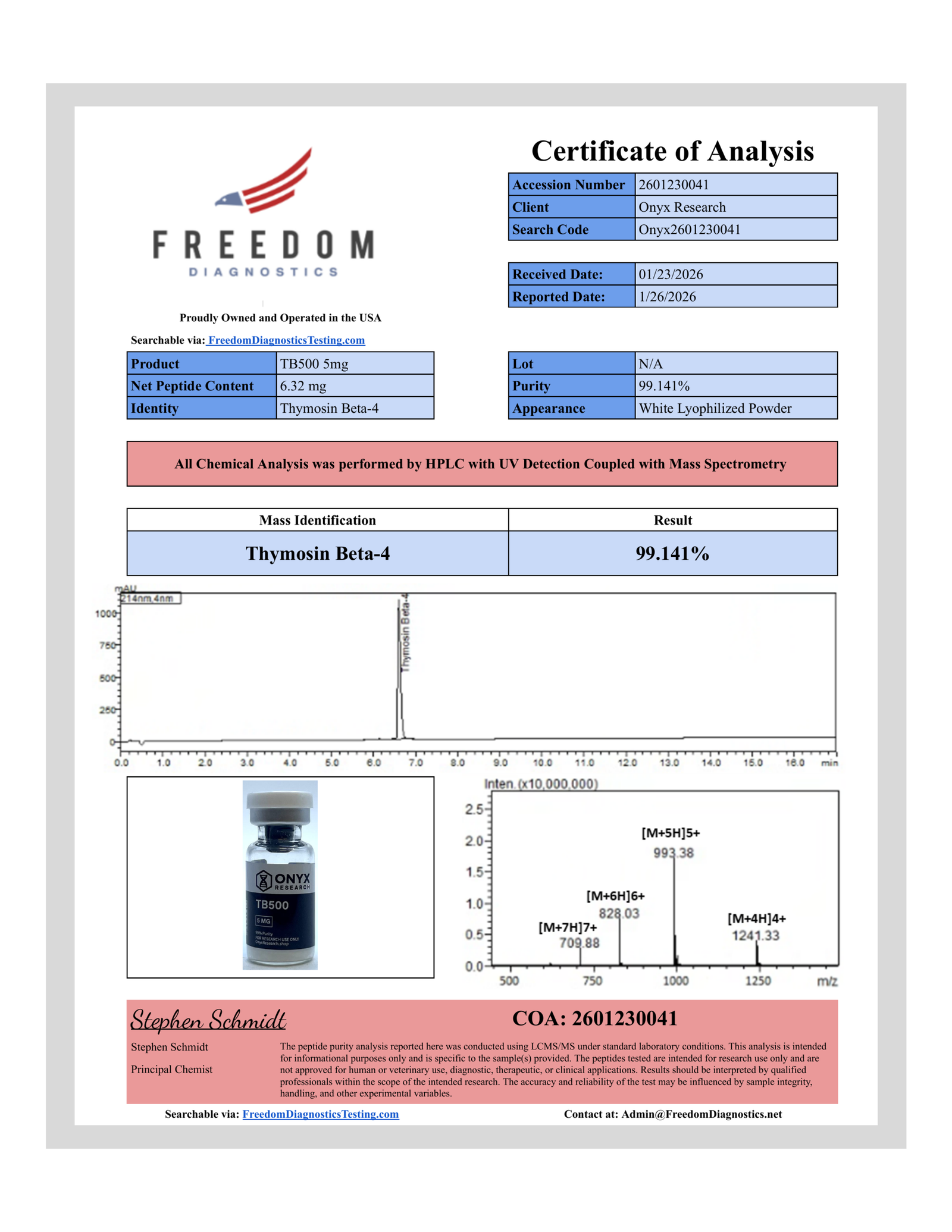
Researchers should look for documented analytical testing rather than relying only on a marketing claim.
Certificate of Analysis
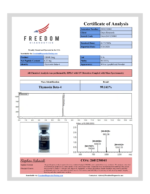
A batch-specific Certificate of Analysis (COA) can provide useful information about identity and purity.
Batch Information
Batch numbers allow researchers to connect a product with its corresponding analytical documentation.
Storage Information
Clear storage information can help laboratories protect sample integrity.
Supplier Transparency
A responsible research supplier should clearly identify the material, provide relevant documentation, explain research-use limitations, and avoid unsupported medical claims.
TB-500 Reconstitution: What Researchers Should Know
TB-500 reconstitution is another common search query.
For laboratory research, reconstitution refers to preparing a peptide material for an experimental application according to the laboratory’s validated protocol.
Researchers should not rely on generic online instructions because appropriate handling depends on the specific product, formulation, study design, concentration requirements, and laboratory procedures.
Important considerations include:
- Product identity
- Formulation
- Sterility requirements
- Solvent compatibility
- Concentration
- Storage conditions
- Stability
- Laboratory protocol
The safest approach involves following the validated procedure established for the specific research application and material.
This page does not provide a human injection or dosing protocol.
TB-500 Half-Life and Pharmacokinetics
TB-500 half-life is another popular search term, but readers should treat online half-life numbers carefully.
A compound’s half-life depends on factors such as molecular structure, formulation, route of administration, species, biological environment, and analytical method.
Data from a related thymosin beta-4 compound or animal model cannot automatically establish a human TB-500 half-life.
Researchers should therefore distinguish between:
- TB-500-specific data
- Thymosin beta-4 data
- Animal pharmacokinetic studies
- In-vitro findings
- Anecdotal claims
Without reliable human pharmacokinetic data, a single online half-life number should not serve as a basis for human dosing.
Who Studies TB-500?
TB-500-related research can interest scientists in several disciplines.
Molecular Biology
Researchers can examine cellular signaling, actin behavior, and molecular interactions.
Cell Biology
Cell biologists can investigate migration, cytoskeletal organization, and cellular responses.
Regenerative Biology
Scientists can explore tissue remodeling and cellular movement.
Vascular Research
Researchers may study endothelial behavior and angiogenesis-related mechanisms.
Wound Biology
Scientists can investigate how cells interact and migrate during tissue remodeling.
Analytical Chemistry
Laboratories can develop analytical methods to identify and measure TB-500-related compounds.
Published analytical studies have demonstrated the ability to identify TB-500-related material using mass spectrometry and chromatography.
How to Evaluate a TB-500 Research Supplier
Researchers and laboratory professionals should evaluate a supplier based on documentation rather than marketing language.
Look for a Certificate of Analysis
A COA should correspond to the relevant batch whenever possible.
Check Product Identity
The product description should clearly state what compound the laboratory will receive.
Examine Purity Information
Look for analytical information that supports the stated purity.
Review Storage Requirements
The supplier should provide clear information about appropriate research storage.
Check Research-Use Labeling
A research supplier should clearly state that its materials are intended for laboratory research rather than human or veterinary treatment.
Avoid Medical Guarantees
Claims such as “guaranteed healing,” “instant recovery,” or “clinically proven TB-500” should prompt careful scrutiny.
Frequently Asked Questions About TB500 Dosage
What is TB500 dosage?
There is no established FDA-approved human dosage for TB-500. Current FDA materials report limited evidence and no identified human exposure data for drug products containing TB-500.
Is there a standard TB-500 dose?
No validated standard human dose exists. Online dosing numbers should not be treated as established medical guidance.
What is TB-500 used for?
Researchers study TB-500-related biology in areas such as cellular migration, tissue biology, and wound-related mechanisms. FDA evaluated wound healing as a nominated use but found insufficient evidence to establish effectiveness.
What is TB-500?
TB-500 commonly refers to a synthetic peptide associated with the LKKTETQ region of thymosin beta-4. Research has connected this region with actin binding and cellular migration.
Is TB-500 the same as thymosin beta-4?
No. TB-500 generally refers to a shorter fragment associated with thymosin beta-4, while thymosin beta-4 is the larger naturally occurring peptide. Researchers should identify the exact molecule before comparing studies.
What are the potential TB-500 benefits?
Research interest centers on cellular migration, actin-related processes, tissue biology, and wound-related mechanisms. These findings do not establish proven human therapeutic benefits.
What are TB-500 side effects?
A complete human safety profile remains unavailable. FDA identifies concerns involving immunogenicity, aggregation, peptide-related impurities, and insufficient human exposure information.
Does TB-500 help with recovery?
Researchers investigate TB-500-related pathways that may influence cellular movement and tissue biology. However, current evidence does not establish TB-500 as a proven human recovery treatment.
What is TB-500 vs BPC-157?
TB-500 relates to the thymosin beta-4 fragment LKKTETQ, while BPC-157 represents a different synthetic peptide with its own research profile. Researchers study both compounds in tissue-related and other preclinical models.
What is the Wolverine Stack?
The Wolverine Stack commonly refers to BPC-157 combined with TB-500. The combination attracts interest because both compounds have research associations with tissue biology, but controlled studies have not established clinical synergy.
What is TB-500 reconstitution?
Reconstitution refers to preparing a peptide research material for laboratory use according to the specific experimental protocol. The appropriate procedure depends on the material, formulation, concentration, stability requirements, and laboratory conditions.
Is TB-500 FDA approved?
No. TB-500 does not have FDA approval as a human medical treatment. FDA has reviewed TB-500-related substances within its compounding advisory process and has highlighted significant evidence and safety limitations.
Final Takeaway
TB500 dosage remains a popular search topic, but the scientific evidence does not support a standardized human dosing recommendation.
TB-500 commonly refers to the LKKTETQ fragment associated with thymosin beta-4. Researchers have investigated this biological region because of its relationship with actin, cellular movement, and tissue-related processes.
The research provides a reason to study TB-500, but it does not establish the peptide as an approved medical treatment.
Current FDA materials highlight major limitations, including insufficient human exposure data, uncertainty around effectiveness, and potential concerns involving immunogenicity and peptide-related impurities.
For researchers and laboratory professionals, the most useful approach involves accurate compound identification, evidence-based interpretation, analytical documentation, appropriate laboratory procedures, and careful evaluation of product quality.
Research-use notice: TB-500 is an investigational compound. This page provides educational information about research and does not provide a human dosing, injection, treatment, or medical-use protocol.


Reviews
Clear filtersThere are no reviews yet.