
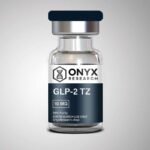
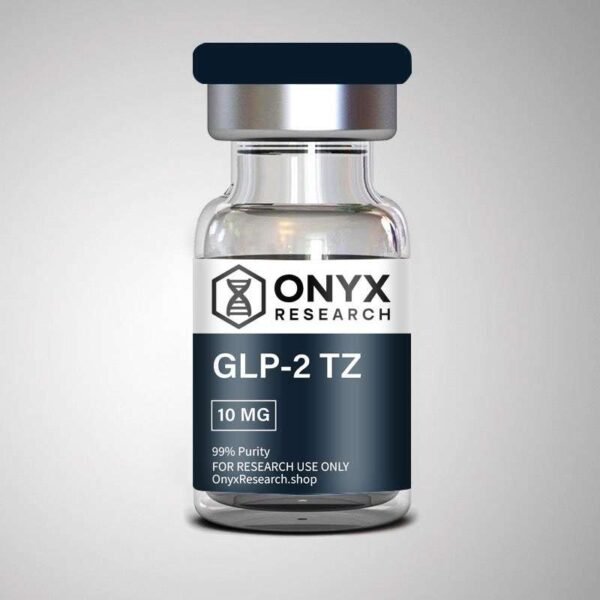
tirzepetide
$105.00 – $280.00Price range: $105.00 through $280.00

Fast Shipping
Carrier information

20k products
Payment methods

24/7 Support
Unlimited help desk

2-day Delivery
Track or off orders
| QTY | 10mg, 20mg, 30mg, 60mg |
|---|
Description
Compound Tirzepatide: Research, Mechanism, Uses, and What to Know
Compound Tirzepatide has become a major search topic as interest in GLP-1 and GIP-based therapies continues to grow. Tirzepatide has attracted attention because it activates two important metabolic hormone receptors rather than targeting GLP-1 alone.
For researchers, laboratory professionals, and consumers researching tirzepatide, understanding the compound requires more than looking at weight-loss claims. This guide examines tirzepatide’s biological mechanism, research applications, approved uses, potential adverse effects, compounded products, oral tirzepatide, tirzepatide versus retatrutide, product quality, and the questions people ask before researching or purchasing tirzepatide-related products.
What Is Compound Tirzepatide?
The phrase Compound Tirzepatide can create confusion because it may refer to two different ideas.
First, tirzepatide is a specific synthetic peptide-based drug molecule. It acts as a dual agonist of the glucose-dependent insulinotropic polypeptide (GIP) receptor and glucagon-like peptide-1 (GLP-1) receptor. FDA-approved tirzepatide products include Mounjaro and Zepbound for specific indications.
Second, people sometimes use “compound tirzepatide” when they mean compounded tirzepatide. A compounded drug differs from an FDA-approved product because the compounded preparation itself does not receive FDA premarket approval for safety, effectiveness, and quality.
That distinction matters for anyone researching tirzepatide online.
Tirzepatide at a Glance
| Characteristic | Tirzepatide |
|---|---|
| Drug class | GIP and GLP-1 receptor agonist |
| Main biological targets | GIP and GLP-1 receptors |
| Major research areas | Metabolism, glucose regulation, appetite, body weight |
| Approved brand examples | Mounjaro and Zepbound |
| Administration of FDA-approved Zepbound | Subcutaneous injection |
| Research interest | Metabolic and weight-management pathways |
| Oral tirzepatide | Not the standard FDA-approved Zepbound formulation |
| Compounded versions | Not FDA-approved products |
How Does Tirzepatide Work?
Tirzepatide works by activating GIP and GLP-1 receptors.
Both receptors belong to hormone-signaling systems that influence metabolism, appetite, insulin secretion, and glucose regulation. Tirzepatide’s dual-receptor activity separates it from medicines that activate only the GLP-1 receptor.
GLP-1 Receptor Activity
GLP-1 helps regulate appetite, food intake, and glucose metabolism.
When tirzepatide activates the GLP-1 receptor, it can influence appetite-related signaling and glucose-dependent insulin secretion. The FDA label states that tirzepatide decreases calorie intake and that its effects on body weight likely involve appetite regulation.
GIP Receptor Activity
GIP provides another metabolic signaling pathway.
Tirzepatide activates GIP receptors alongside GLP-1 receptors. FDA materials describe tirzepatide as a selective dual GIP/GLP-1 receptor agonist that enhances glucose-dependent insulin secretion and reduces glucagon concentrations.
Why Dual Agonism Matters
The combination gives tirzepatide a different pharmacological profile from a medication that activates GLP-1 alone.
Researchers study this dual activity because GIP and GLP-1 influence overlapping but distinct metabolic pathways. Tirzepatide therefore provides a useful model for studying how combined incretin signaling affects appetite, glucose regulation, and body weight.
What Is Tirzepatide Used For?
Tirzepatide has both established clinical uses and broader research applications.
In the United States, FDA-approved products have specific indications.
Mounjaro (tirzepatide) received approval in 2022 as an adjunct to diet and exercise to improve blood glucose control in adults with type 2 diabetes.
Zepbound (tirzepatide) received approval for chronic weight management in adults with obesity or overweight plus at least one weight-related condition. FDA later approved Zepbound for moderate-to-severe obstructive sleep apnea in adults with obesity.
These approved uses differ from experimental research applications.
Tirzepatide and Weight Management
Weight management represents one of the most prominent areas of tirzepatide research.
Tirzepatide can reduce calorie intake through appetite-related mechanisms, while its metabolic activity affects glucose and insulin signaling. Clinical trials supported the FDA’s approval of Zepbound for chronic weight management.
Researchers continue to examine questions involving:
- Appetite regulation
- Body-weight reduction
- Fat-mass changes
- Metabolic health
- Long-term weight maintenance
- Obesity-related conditions
Tirzepatide should not, however, be treated as a universal weight-loss solution. Appropriate use depends on the specific indication, patient characteristics, medical history, and healthcare-provider guidance.
Tirzepatide and Type 2 Diabetes Research
Researchers have studied tirzepatide extensively in metabolic disease.
Its dual GIP/GLP-1 activity affects glucose-dependent insulin secretion and glucagon regulation. These mechanisms help explain why tirzepatide has an established role in type 2 diabetes treatment under the Mounjaro brand.
Tirzepatide and Obstructive Sleep Apnea
Tirzepatide has also entered research involving obstructive sleep apnea (OSA).
The FDA approved Zepbound for moderate-to-severe OSA in adults with obesity in December 2024. Clinical studies demonstrated reductions in apnea-hypopnea events, and the FDA states that the improvement likely relates to reductions in body weight.
This approval expands the scientific importance of tirzepatide beyond glucose control and weight management.
Tirzepatide and Appetite Regulation
Appetite regulation represents a major part of tirzepatide’s mechanism.
GLP-1 and GIP receptors occur in biological systems involved in energy balance. Tirzepatide activates both receptor pathways, while FDA pharmacology information indicates that reduced calorie intake likely contributes to its effect on body weight.
Researchers therefore examine tirzepatide in relation to:
- Hunger signaling
- Food intake
- Satiety
- Energy balance
- Body-weight regulation
- Metabolic signaling
This mechanism helps explain why tirzepatide has become an important research subject in obesity and metabolic science.
Does Tirzepatide Cause Hair Loss?
Yes, hair loss appears among reported adverse reactions associated with tirzepatide products.
However, the relationship requires context.
The FDA’s Zepbound prescribing information reports hair loss in clinical trials and notes that the events were associated with weight reduction. The label also reports a higher frequency among female participants than male participants in those trials.
Rapid or substantial weight loss itself can contribute to temporary hair shedding in some people. Therefore, researchers and healthcare professionals should avoid automatically attributing every case of hair loss directly to the molecule.
Anyone experiencing persistent or concerning hair loss should discuss it with a healthcare professional rather than changing treatment independently.
Does Tirzepatide Make You Tired?
Fatigue can occur with tirzepatide.
FDA clinical review documents list fatigue among adverse events observed during tirzepatide development.
People may also experience fatigue alongside reduced food intake, gastrointestinal symptoms, dehydration, changes in blood glucose, or rapid weight loss.
The underlying cause can vary from person to person. Persistent or severe fatigue deserves medical evaluation, particularly when other symptoms appear at the same time.
Oral Tirzepatide: Is There a Pill?
Oral tirzepatide remains a popular search query because many people prefer tablets to injections.
However, the FDA-approved Zepbound formulation uses subcutaneous administration, and the current FDA labeling describes Zepbound as an injection.
Therefore, readers should distinguish between:
- FDA-approved injectable tirzepatide
- Experimental oral formulations
- Unapproved products marketed online
- Other oral GLP-1 or metabolic drugs
A website that advertises “oral tirzepatide” should provide clear information about the product’s regulatory status and not imply that an experimental or unapproved formulation carries the same approval as an FDA-approved product.
How to Inject Tirzepatide
People frequently search how to inject tirzepatide, but injection instructions depend on the specific FDA-approved product, device, prescription, and patient circumstances.
FDA-approved Zepbound uses subcutaneous injection once weekly. The prescribing information provides detailed instructions for the approved device and administration process.
For safety, patients should follow the instructions supplied with their prescribed product and obtain practical injection training from a qualified healthcare professional.
This distinction becomes particularly important with compounded products. FDA reports that dosing errors involving compounded GLP-1 products have caused adverse events, including cases that required hospitalization.
Tirzepatide vs Retatrutide
The search query tirzepatide vs retatrutide reflects growing interest in next-generation metabolic drugs.
The key difference involves their receptor targets.
| Feature | Tirzepatide | Retatrutide |
|---|---|---|
| GIP receptor | Yes | Yes |
| GLP-1 receptor | Yes | Yes |
| Glucagon receptor | No | Yes |
| Receptor profile | Dual agonist | Triple agonist |
| Clinical status | FDA-approved for specific indications | Investigational |
| Major research interest | Diabetes, weight management, OSA | Weight management and metabolic research |
| Regulatory status | Approved drug for specific uses | Not an FDA-approved treatment |
Tirzepatide activates GIP and GLP-1 receptors. Retatrutide adds glucagon receptor activity, creating a triple-agonist profile.
Researchers continue to investigate retatrutide, but consumers should not treat an investigational compound as equivalent to an FDA-approved medication.
For that reason, “better” depends on the question being studied. A broader receptor profile does not automatically establish superior safety or effectiveness.
Cheapest Tirzepatide Online: What Should Buyers Check?
The phrase cheapest tirzepatide online attracts strong commercial search intent, but price should not become the only purchasing criterion.
Tirzepatide products can differ in regulatory status, formulation, documentation, dispensing pathway, and quality controls.
Before comparing prices, consumers should consider:
- Product identity
- Regulatory status
- Pharmacy or supplier credentials
- Prescription requirements where applicable
- Storage and shipping conditions
- Product labeling
- Batch information
- Quality documentation
- Customer support
- Clear return and shipping policies
FDA warns that unapproved versions of GLP-1 drugs do not undergo FDA review for safety, effectiveness, and quality before marketing. The agency has also reported fraudulent compounded tirzepatide products and adverse events associated with compounded products.
A lower advertised price therefore does not automatically represent better value.
Tirzepatide Near Me: What Should You Look For?
The search phrase tirzepatide near me usually indicates local purchasing or healthcare intent.
Consumers should distinguish between:
- A licensed healthcare provider who evaluates whether tirzepatide is appropriate.
- A licensed pharmacy that dispenses a prescribed medication.
- A compounding pharmacy operating under applicable regulations.
- An online seller offering an unapproved product.
The FDA recommends that patients obtain prescriptions from healthcare providers and use state-licensed pharmacies when obtaining compounded GLP-1 medicines.
Consumers should also verify the credentials of any pharmacy before purchasing prescription medication.
Best Tirzepatide Compounding Pharmacy: What Does “Best” Mean?
There is no universal best tirzepatide compounding pharmacy for every patient.
Instead, consumers should evaluate pharmacies based on objective criteria.
Pharmacy Credentials
Verify the pharmacy’s licensing and relevant regulatory status.
Clear Product Information
The pharmacy should clearly identify the formulation, concentration, labeling, storage information, and intended use.
Quality Controls
Ask how the pharmacy tests compounded products and how it handles batch documentation.
Transparent Communication
A reputable pharmacy should provide clear answers about prescriptions, ingredients, storage, shipping, and patient support.
No Misleading Approval Claims
FDA emphasizes that compounded drugs are not FDA-approved. A pharmacy or seller should not describe its compounded product as if FDA evaluated that specific product for safety, effectiveness, and quality.
Why Tirzepatide Product Quality Matters
Quality matters even more when buyers compare compounded or research-oriented products.
A product page should provide enough information for the intended audience to understand what they are evaluating.
Researchers and laboratory professionals should consider:
- Compound identity
- Purity
- Batch identification
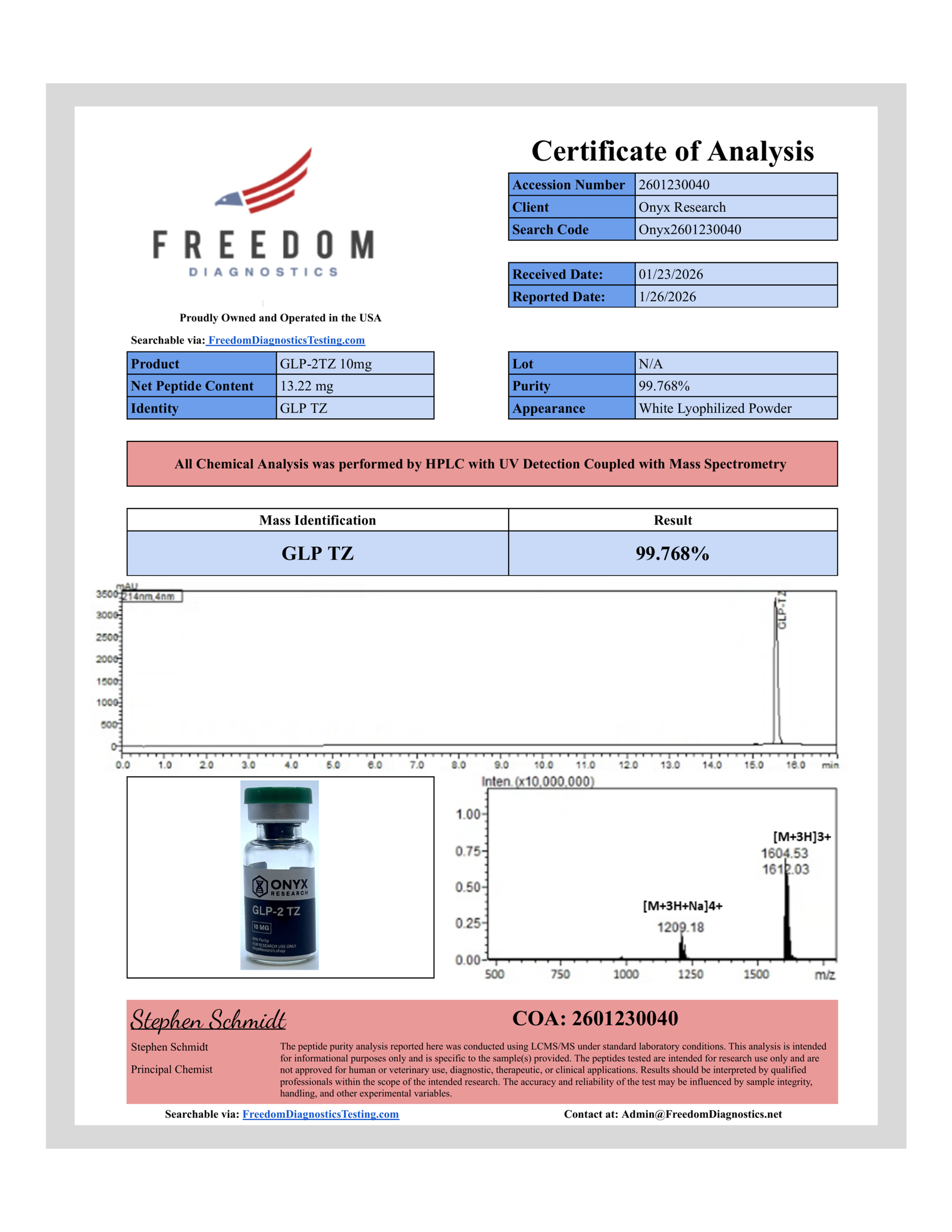
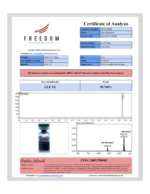
- Certificate of Analysis
- Analytical testing
- Storage information
- Packaging
- Supplier transparency
A Certificate of Analysis can provide valuable information about a specific batch. However, buyers should examine the actual documentation rather than relying on a generic “99% pure” marketing statement.
Compound Tirzepatide vs FDA-Approved Tirzepatide
The distinction between compound tirzepatide and FDA-approved tirzepatide deserves special attention.
FDA-approved products undergo regulatory review before approval. Compounded medicines follow a different regulatory pathway and do not receive FDA premarket approval for safety, effectiveness, and quality.
The FDA has specifically warned consumers about unapproved GLP-1 products and has reported adverse events associated with compounded tirzepatide. As of May 31, 2026, the agency reported more than 730 adverse-event reports associated with compounded tirzepatide, while noting that it cannot always determine whether the product directly caused the event.
This information does not mean that every compounded product carries the same risk. It does mean that buyers should evaluate the source, regulatory pathway, quality controls, and professional oversight carefully.
Who Studies Tirzepatide?
Tirzepatide attracts researchers across multiple disciplines.
Endocrinology
Endocrinologists study incretin signaling, glucose regulation, insulin secretion, and metabolic disease.
Metabolic Research
Metabolic scientists investigate appetite, energy balance, body composition, and weight regulation.
Pharmacology
Pharmacologists examine receptor activity, pharmacokinetics, pharmacodynamics, and drug interactions.
Obesity Research
Researchers study tirzepatide’s effects on body weight, appetite, metabolic health, and obesity-related conditions.
Sleep Medicine
The FDA’s OSA approval has expanded interest in tirzepatide among researchers studying obesity-related sleep-disordered breathing.
Research Evidence: What Do We Know?
Tirzepatide has a substantially stronger clinical evidence base than many experimental peptides.
Researchers have evaluated tirzepatide through randomized controlled trials and regulatory review. The FDA approved Zepbound for chronic weight management after reviewing clinical evidence demonstrating significant weight reduction compared with placebo.
The FDA later approved Zepbound for moderate-to-severe OSA in adults with obesity after reviewing two randomized, placebo-controlled trials involving 469 adults.
Still, clinical evidence applies to specific approved products, populations, indications, and conditions of use.
It does not automatically validate every compounded formulation, online product, or experimental formulation sold under the tirzepatide name.
Frequently Asked Questions About Compound Tirzepatide
What is Compound Tirzepatide?
The phrase can refer either to tirzepatide as a compound or, in common online usage, to compounded tirzepatide. Tirzepatide itself acts on GIP and GLP-1 receptors. A compounded product follows a different regulatory pathway from an FDA-approved product.
Is tirzepatide a peptide?
Yes. Tirzepatide is a synthetic peptide-based molecule that acts as a dual GIP and GLP-1 receptor agonist.
What is tirzepatide used for?
FDA-approved tirzepatide products have specific indications. Mounjaro treats type 2 diabetes alongside diet and exercise, while Zepbound supports chronic weight management and treats moderate-to-severe OSA in adults with obesity.
Is oral tirzepatide FDA approved?
The FDA-approved Zepbound formulation uses subcutaneous injection. Readers should not assume that products marketed online as oral tirzepatide have the same regulatory status.
Does tirzepatide cause hair loss?
Hair loss appears among reported adverse reactions with Zepbound. FDA labeling associates these events with weight reduction and reports a higher frequency among women than men in clinical trials.
Does tirzepatide make you tired?
Fatigue can occur with tirzepatide. FDA clinical review documents list fatigue among observed adverse events. Persistent or severe fatigue warrants discussion with a healthcare professional.
What is the difference between tirzepatide and retatrutide?
Tirzepatide activates GIP and GLP-1 receptors. Retatrutide also activates those receptors but adds glucagon receptor activity. Retatrutide remains investigational, while tirzepatide has FDA-approved indications.
How do you inject tirzepatide?
FDA-approved Zepbound uses subcutaneous injection once weekly. Patients should follow their product’s official instructions and receive administration guidance from an appropriate healthcare professional.
What should I consider when searching for tirzepatide near me?
Check the credentials of the healthcare provider or pharmacy, verify the product’s regulatory status, and avoid sellers that make unsupported approval or medical claims.
What is the best tirzepatide compounding pharmacy?
No single pharmacy qualifies as the best choice for everyone. Consumers should evaluate licensing, prescription requirements, quality controls, product documentation, transparency, and customer support.
Is compounded tirzepatide FDA approved?
No. Compounded drug products do not receive FDA premarket approval for safety, effectiveness, and quality. The FDA has also warned consumers about risks associated with unapproved GLP-1 products.
How can I evaluate a tirzepatide research product?
Researchers should examine compound identity, purity, batch information, analytical testing, COA documentation, storage information, packaging, and supplier transparency. Research products should remain separate from medications intended for human use.
Final Takeaway
Compound Tirzepatide has become an important search topic because tirzepatide sits at the intersection of peptide science, metabolic research, diabetes treatment, and modern weight management.
Tirzepatide activates both GIP and GLP-1 receptors, which gives it a distinct mechanism compared with GLP-1-only therapies. Researchers have studied its effects on appetite, calorie intake, glucose-dependent insulin secretion, body weight, and metabolic pathways.
The FDA has approved specific tirzepatide products for specific indications, including type 2 diabetes, chronic weight management, and moderate-to-severe OSA in adults with obesity.
At the same time, readers should carefully distinguish FDA-approved tirzepatide products from compounded or unapproved products. The FDA continues to warn about quality, safety, dosing, and misleading marketing concerns involving unapproved GLP-1 products.
For anyone researching tirzepatide, the strongest approach combines scientific evidence with careful evaluation of product identity, regulatory status, documentation, and quality.
Important: This content provides educational information and does not replace medical advice. FDA-approved tirzepatide medicines require appropriate healthcare oversight. Research products are not intended for human or veterinary use, diagnosis, treatment, cure, or prevention of disease.


Reviews
Clear filtersThere are no reviews yet.